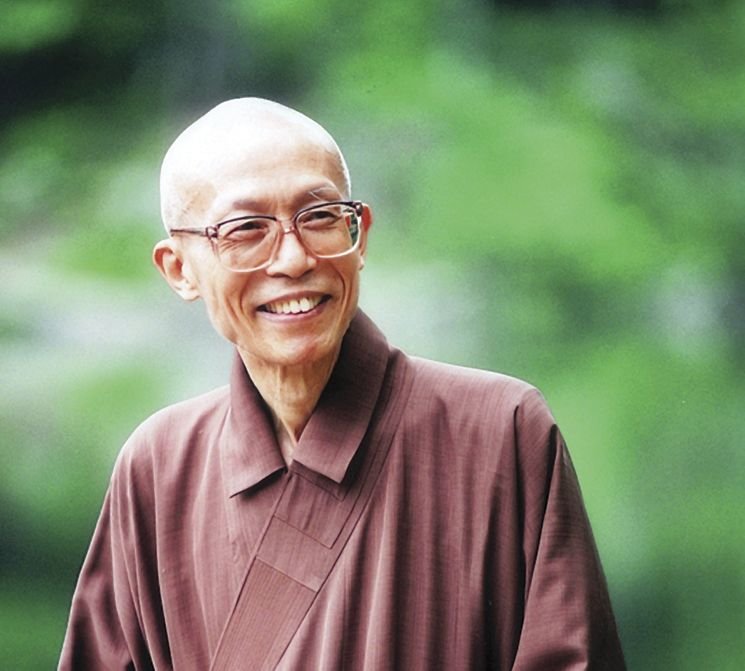
“Everyone is like a gold mine. Although the mine is not pure gold, there is gold in it. Likewise, everyone has Buddha nature; they simply have yet to discover it from within.”
Master Sheng Yen's teachings
The design concept originated from "The Mine within the Gold Mountain".
The San Francisco Bay Area Center is located in Silicon Valley, home to many high-tech industries. People here share a unique culture of innovation, diversity, change, and the pursuit of equality. “The Mine within the Gold Mountain” was thus designed using a more abstract and inclusive form of expression.
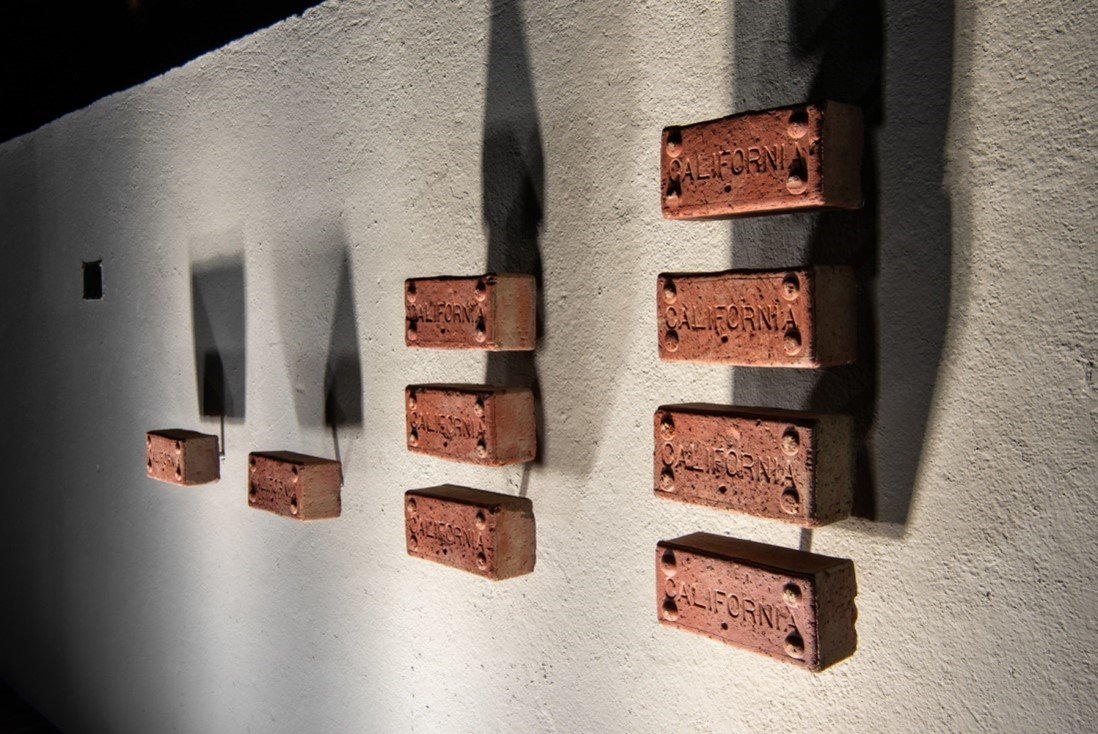
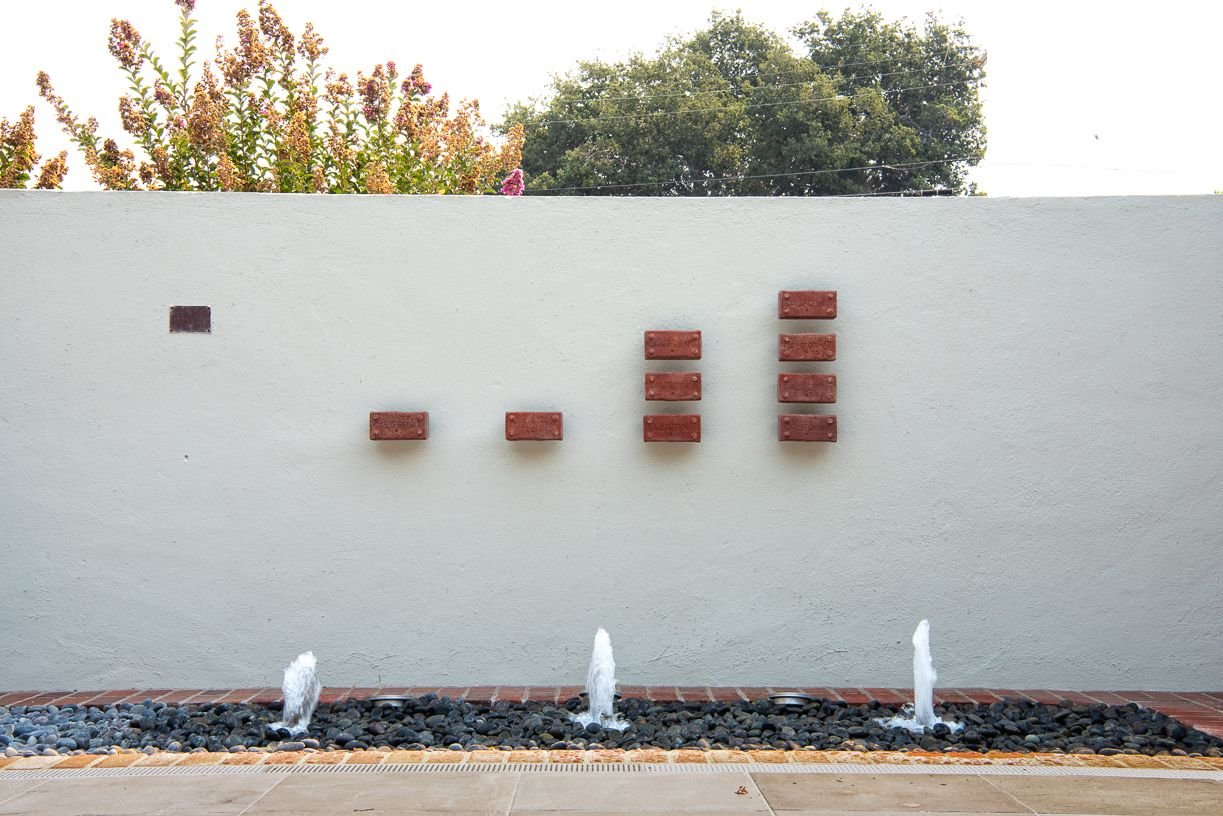
The design concept is based on the Chinese pronunciation of “金山有鑛” (The Mine within the Gold Mountain”) as a numerical code.
Suppose the first tone is represented by 1, the second by 2, the third by 3 and the fourth by 4.
Therefore, “The Mine within the Gold Mountain” is represented by “1-1-3-4”. In addition, the design incorporates bricks preserved from the Centre’s renovation, presenting them in a fresh way with a modern aesthetic.
Three Small Fountain Pillars
The three fountain pillars represent diligent cultivation of the “threefold training” of precepts, concentration, and wisdom, and cutting off the “three afflictions of greed, hatred, and ignorance.
The three low fountain pillars bubbling up from the gaps between the stones at the bottom of the pond symbolize our ‘greed, hatred, and ignorance, ‘ constantly emerging from deep within our minds.
Nevertheless, these three low fountain pillars flow back into the pool, symbolizing that through diligently cultivating the “threefold training of precepts, concentration, and wisdom, we can gradually dissolve the “three afflictions—greed, hatred, and ignorance, thereby uplifting our characters and the spirit of humanity itself.
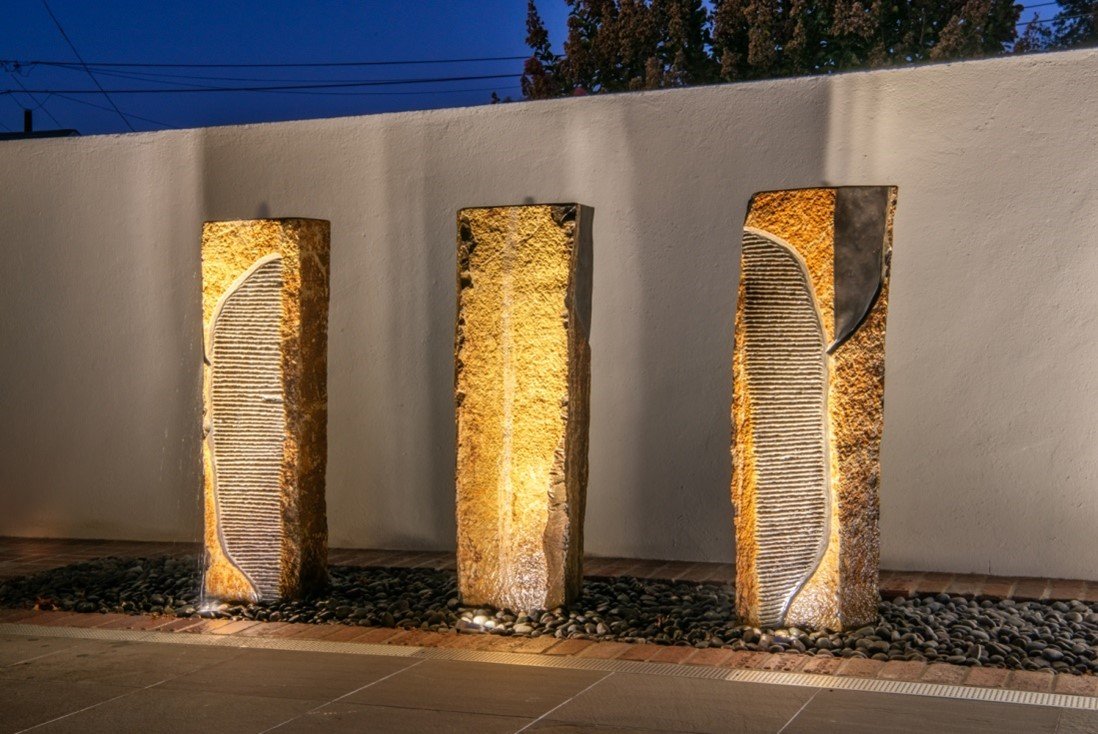
Three Stone Pillars with Flowing Water
They represent the Three Dharma Seals in the Buddha’s teachings: “All conditioned phenomena are impermanent; All phenomena are without self; Nirvana is tranquil and quiescent’.
When we look out from the interior corridor towards the courtyard, the three stone pillars with flowing water stand steadily at the center of our view, like a living reflection of the Three Dharma Seals that constantly remind us of the true meaning of the Dharma.
The carved texture on the stone pillars to the left and right evoke the image of our posture of joining palms in reverence to the Three Dharma Seals. As the water gently flows from top to bottom over their irregular surfaces, it creates ever-changing, impermanent phenomena, and symbolizes the gradual dissolution of self-centeredness.
The central stone pillar has no carved patterns, so the water flows over it calmly and steadily. It symbolizes our gradual realization of the true meaning of the Buddha’s teachings and our diligent progress on the path to Buddhahood.
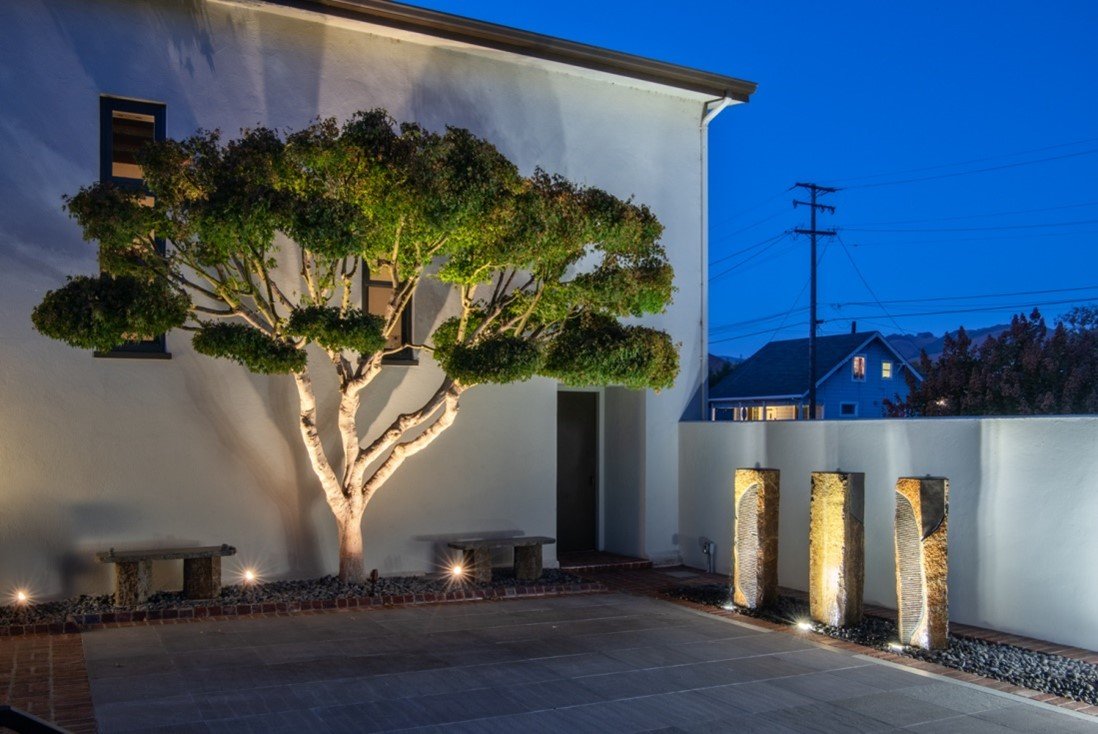
One Big Tree and Two Stone benches
They symbolize the union of compassion and wisdom in Chan practice.
Master Sheng Yen has taught us:
Chan practice is the Buddhadharma, and the essence of the Buddhadharma is compassion and wisdom. Genuine compassion and pure wisdom can only be realized through proper practice and ultimate enlightenment.
On either side of the courtyard’s only maple tree stand two stone benches. One is the Seat of Compassion, and the other is the Seat of Wisdom. This is an ideal place to sit quietly and practice Chan meditation in the courtyard.
The vibrant life of the maple tree reflects the lively, dynamic spirit ofChan. When we can genuinely experience compassion and wisdom through Chan practice, we are putting into action the ideal of establishing a pure land on earth.